
By Digital Stage Bookkeeping Editorial Team · Updated 2026-08-27
Catch-up bookkeeping restores accurate financial records for HVAC contractors and painters who have fallen behind on transaction categorization and reconciliation. We rebuild monthly reports, reconcile past accounts, and organize seasonal cash flow data, so trade business owners have clear insight for tax filing, loan applications, and daily decisions — without the compliance risk that comes with sloppy books.
Key Takeaways
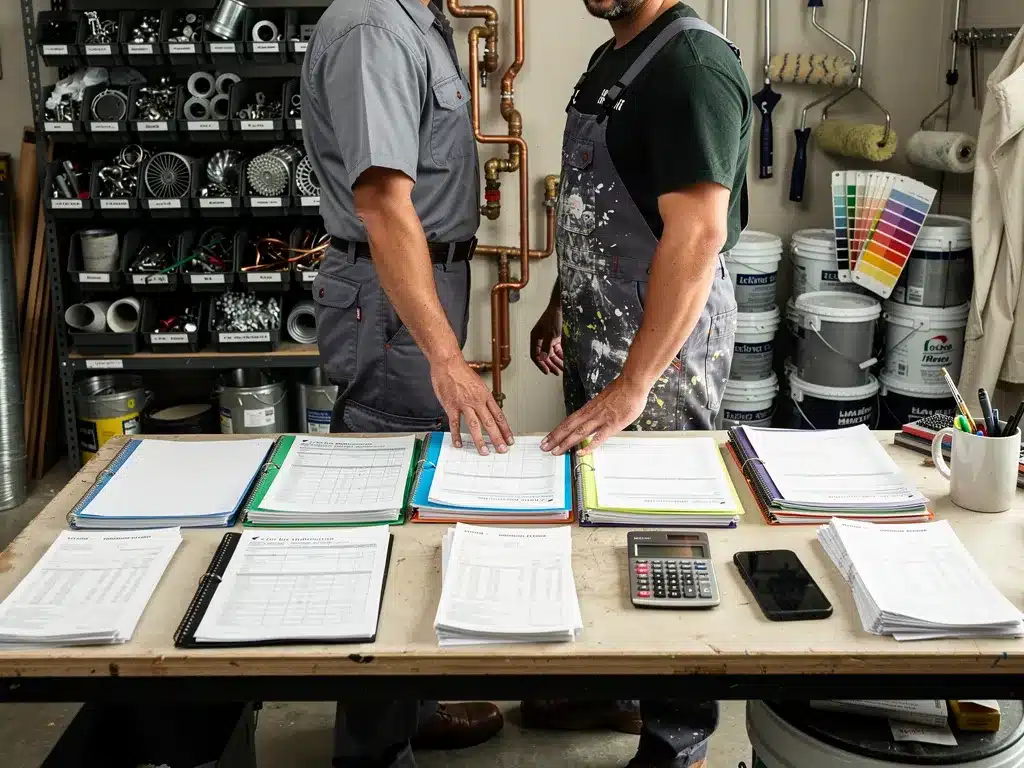
Catch-up bookkeeping tracks income, job costs, payroll, and taxes at the individual job level for HVAC and painting contractors.
Digital Stage Bookkeeping serves trade businesses across Colorado Springs, Denver, Pueblo, and nationwide with affordable, specialized services.
Organized financial data enables HVAC and painting contractors to make daily business decisions based on accurate monthly reports.
Professional bookkeeping reduces financial errors, manages tax compliance, and identifies profitability issues specific to service-based trade operations.
Catch-up bookkeeping tracks income, job costs, payroll, and taxes at the individual job level for HVAC and painting contractors.
Digital Stage Bookkeeping serves trade businesses across Colorado Springs, Denver, Pueblo, and nationwide with affordable, specialized services.
Organized financial data enables HVAC and painting contractors to make daily business decisions based on accurate monthly reports.
Professional bookkeeping reduces financial errors, manages tax compliance, and identifies profitability issues specific to service-based trade operations.
Why Does Falling Behind Cost Trade Businesses?
Delayed transaction categorization drains trade businesses through underbilling, lost revenue, and overpaid taxes. Every uncategorized invoice or receipt is a decision made blind. HVAC contractors, painters, plumbers, and lawn care professionals lose money not because the work slows down, but because the paperwork behind it stalls out.
We see this pattern constantly across the trades we work with. Financial records get pushed aside when service calls, emergencies, hiring, and daily fire-fighting take priority — and honestly, that’s the right call in the moment. It only becomes costly once tax season arrives or a bank asks for updated financials.
Why do trade contractors fall behind on their books in the first place?
Owners run crews, manage jobs, and answer calls all day, and bookkeeping simply loses the competition for attention. That’s exactly why bookkeeping clean up exists as a service category — to recover the months or years of neglected records without punishing the owner for prioritizing the work in front of them.
What happens if the backlog never gets addressed?
Unresolved records compound. Expenses go untracked, invoices go unmatched, and job profitability turns into a guess instead of a fact.
The costs stack up in predictable ways:
Underbilled clients due to missed change orders or materials
Overpaid taxes from missed deductions
No visibility into which jobs actually turn a profit
Cash flow surprises during slow seasons
Underbilled clients due to missed change orders or materials
Overpaid taxes from missed deductions
No visibility into which jobs actually turn a profit
Cash flow surprises during slow seasons
We built our firm on decades of financial experience specifically to close this gap. Our approach pairs catch-up work with ongoing small business bookkeeping, so trade owners can stay focused on the work that built their business in the first place.

Not sure if last month’s jobs actually turned a profit? If uncategorized invoices and receipts have you guessing instead of knowing, you’re facing the exact problem we solve every day for HVAC and painting contractors. Ready to see where your money is really going?
Not sure if last month’s jobs actually turned a profit? If uncategorized invoices and receipts have you guessing instead of knowing, you’re facing the exact problem we solve every day for HVAC and painting contractors. Ready to see where your money is really going?
What Happens During A Bookkeeping Clean Up?
A real clean-up engagement is a structured process, not a single afternoon of data entry. Months or years of backlogged records get sorted, categorized, and reconciled until the books finally reflect what actually happened in the business. Onboarding kicks things off: we set up a business portal and establish weekly transaction categorization expectations from day one, so the backlog doesn’t build back up once the clean-up ends.
From there, our team works hands-on with each client to understand daily operations before touching a single transaction. A painting contractor’s chart of accounts looks nothing like a plumber’s, and treating them the same produces sloppy results. That’s why we favor meeting owners at their actual job sites and offices whenever possible — seeing the equipment, crews, and cash flow patterns firsthand shapes how we handle the clean-up.
How long does a bookkeeping clean-up take?
Timelines depend on how far behind the records sit and how many accounts need reconciliation. A business with a few disorganized months faces a very different job than one with several years of untouched statements.
What do I get once the clean-up is finished?
Owners walk away with accurate, current books and a clear starting point for ongoing monthly work. That clarity gives trade businesses control over their numbers, sharper pricing insight, and a stronger financial foundation for the long haul.
A completed clean-up typically restores:
Bank and credit card reconciliations brought current
Properly categorized income and expenses by account
Corrected owner setup for small business bookkeeping going forward
Groundwork for job level costing on future projects
A clean baseline ready for HVAC bookkeeping or trade-specific monthly reporting
Bank and credit card reconciliations brought current
Properly categorized income and expenses by account
Corrected owner setup for small business bookkeeping going forward
Groundwork for job level costing on future projects
A clean baseline ready for HVAC bookkeeping or trade-specific monthly reporting

Months behind on reconciliations and not sure where to even start? That backlog doesn’t have to sit there costing you deductions and clarity any longer. Let’s map out your catch-up plan together.
Months behind on reconciliations and not sure where to even start? That backlog doesn’t have to sit there costing you deductions and clarity any longer. Let’s map out your catch-up plan together.
How Does Job Level Costing Reveal Profit?
Profit hides inside individual jobs, not just year-end totals. Job level costing assigns labor, materials, and overhead to each specific project, showing which jobs actually make money and which ones quietly drain it. We treat this practice as the backbone of hvac bookkeeping, because HVAC work goes far beyond standard small business bookkeeping — it means measuring profitability job by job, not just company-wide.
HVAC contractors face financial pressures that generic accounting methods miss entirely:
Seasonal cash flow swings between busy summer months and slower winter stretches
Inventory and equipment costs tied to specific installations or repairs
A mixed workforce of W-2 employees and 1099 subcontractors
Income split across service calls, maintenance contracts, and larger installation projects
Seasonal cash flow swings between busy summer months and slower winter stretches
Inventory and equipment costs tied to specific installations or repairs
A mixed workforce of W-2 employees and 1099 subcontractors
Income split across service calls, maintenance contracts, and larger installation projects
Without job-level tracking, all of that blends into one confusing number.
Why does job costing matter for finding profitable work?
Job costing exposes which projects generate real margin and which ones quietly drain resources without you ever knowing it. Contractors who track costs by job make fewer financial errors, manage tax obligations more accurately, and build stronger overall financial stability. We help clients see profitability at the job level, then use that clarity to price future work with confidence.
Can clean books really change day-to-day decisions?
Yes. Once records are organized, owners stop guessing and start deciding based on evidence. Our approach pairs a thorough bookkeeping clean up with monthly reports and precise reconciliations, giving HVAC, painting, and lawn care businesses financial clarity down to each individual job — turning scattered receipts and invoices into a clear map of where the profit actually comes from.

Wondering which jobs are actually making you money and which ones are quietly draining resources? Without job-level costing, that answer stays hidden in a pile of receipts. Get the clarity to price your next job with confidence.
Wondering which jobs are actually making you money and which ones are quietly draining resources? Without job-level costing, that answer stays hidden in a pile of receipts. Get the clarity to price your next job with confidence.
Why Separate Personal And Business Finances?
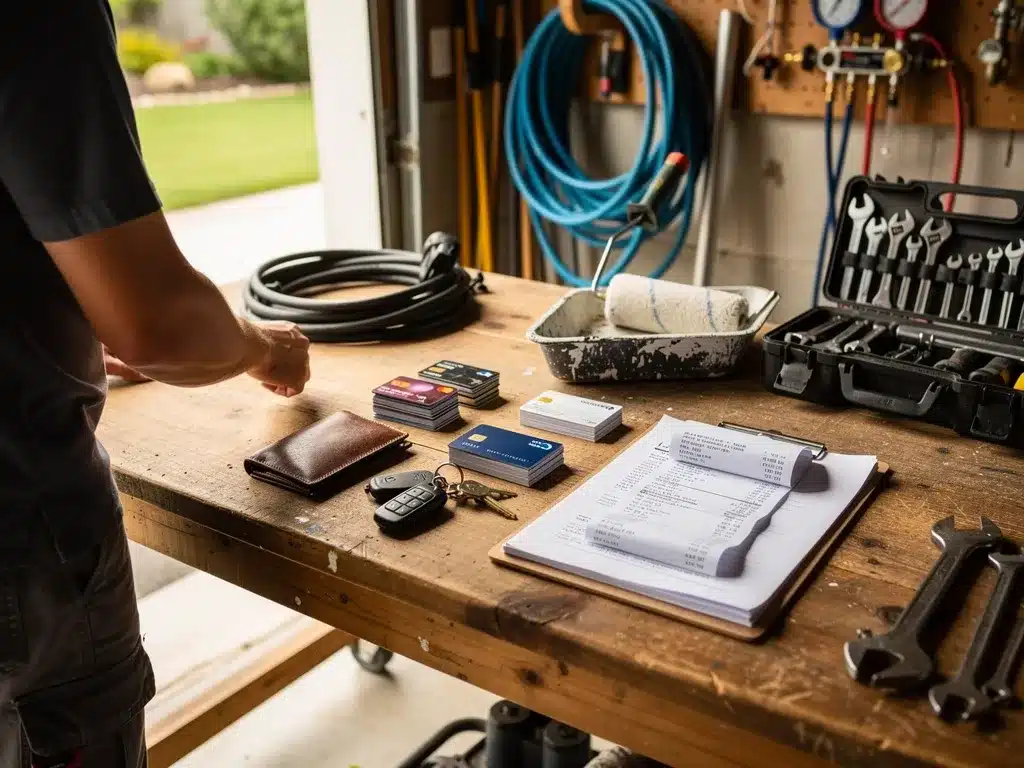
Mixing personal and business transactions is one of the most damaging habits a trade contractor can carry into tax season. We treat this separation as one of the most fundamental steps in small business bookkeeping for painters, HVAC technicians, plumbers, and lawn care operators alike. Skipping it costs owners time, clarity, and often money.
A single business checking account and credit card changes everything. Tax preparation moves faster because every deduction sits in one place instead of scattered across personal statements. Business performance also gets easier to judge once revenue and expenses stop competing with grocery runs and mortgage payments on the same ledger. Personal assets gain a layer of protection too — clean separation reduces the risk of liability bleeding from the business into an owner’s personal finances.
Does separating accounts actually improve decision-making?
Yes. Organized, separated records replace guesswork with facts. Owners can see exactly what a job costs, what it earns, and whether the business is actually profitable, instead of estimating from memory.
What does this look like in daily practice?
Open a dedicated business checking account before taking on new jobs
Use a separate business credit card for materials, fuel, and equipment
Run all payroll and contractor payments through the business account
Reconcile monthly rather than waiting until tax time
Open a dedicated business checking account before taking on new jobs
Use a separate business credit card for materials, fuel, and equipment
Run all payroll and contractor payments through the business account
Reconcile monthly rather than waiting until tax time
We pair this separation with a hands-on, in-person approach to bookkeeping clean up, reviewing each client’s setup directly rather than relying on guesswork. Clean, separated records give trade business owners genuine peace of mind about their numbers, month after month.
Still running business expenses through a personal account? That mix-up is one of the fastest ways to lose deductions and muddy your real profit picture. Let’s get your accounts cleanly separated and organized.
Still running business expenses through a personal account? That mix-up is one of the fastest ways to lose deductions and muddy your real profit picture. Let’s get your accounts cleanly separated and organized.
Why Catching Up Is Easier Than Most Owners Expect
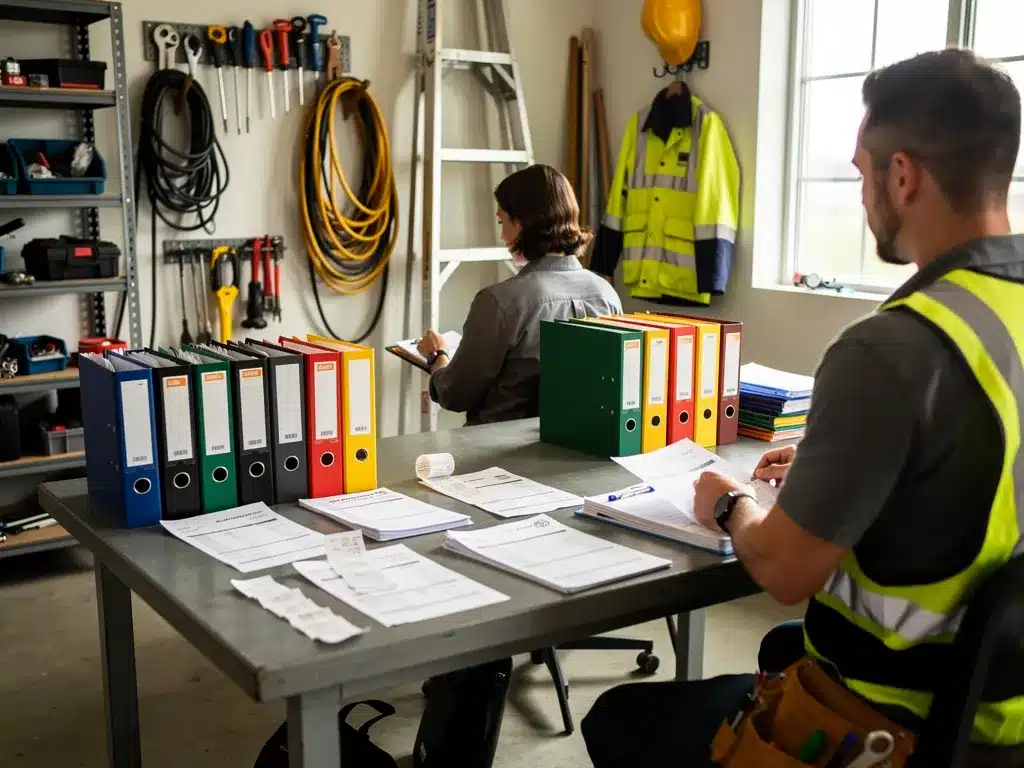
Trade business owners often put off a bookkeeping clean up because they picture it as an overwhelming project that will eat weeks of their own time. In practice, the reconstruction work falls on the bookkeeping team, not the owner. We handle the transaction sorting, reconciliation, and job-level categorization directly, so the backlog an owner has been avoiding for months doesn’t turn into months of the owner’s own labor.
Why do owners assume a clean-up will take over their schedule?
The assumption comes from picturing bookkeeping the way it feels day to day — one more task competing with service calls and crew management. A structured clean-up works differently. Once we have access to bank statements, credit card records, and existing invoicing systems, the reconstruction happens on our end. Owners aren’t asked to relive every missed transaction line by line.
How much work actually falls on the business owner?
An owner’s involvement typically comes down to a short onboarding conversation, granting access to the relevant accounts, and answering the occasional question about a specific job or purchase when something needs clarification. Everything else — reconciling statements, correcting miscategorized expenses, and rebuilding job-level costing — is work we complete as part of the engagement. That’s why falling behind, even by a year or more, doesn’t require an equally large time commitment from the owner to fix.
Putting off a bookkeeping clean up because you picture it eating weeks of your own time? The reconstruction work is ours to handle, not yours. See how little it actually takes to get current.
Putting off a bookkeeping clean up because you picture it eating weeks of your own time? The reconstruction work is ours to handle, not yours. See how little it actually takes to get current.
How Do You Get Caught Up Now?

Getting current starts with a structured bookkeeping clean up that sorts months of disorganized records into accurate, tax-ready books. Digital Stage Bookkeeping builds on decades of financial experience to handle exactly this kind of catch-up work alongside ongoing monthly service. Trade business owners who have fallen behind don’t need to face a rebuild alone.
What does a bookkeeping clean up actually involve?
A clean up reconstructs missing transaction history, reconciles bank and credit card statements, and corrects miscategorized expenses. For an HVAC contractor or painting crew, that often means separating job level costing so profit per project becomes visible again, instead of buried in a lump total. Once records are reconciled, monthly reporting picks back up on solid footing.
Where can a behind-schedule trade business start?
Start with a conversation, not a spreadsheet. Digital Stage Bookkeeping offers a professional, welcoming process built on precise, accurate HVAC bookkeeping and comparable trade-specific service for painters, plumbers, and lawn care operators. Operating out of Colorado Springs, Denver, and Pueblo, we bring this same hands-on approach to service businesses nationwide.
Getting caught up typically follows this sequence:
Free consultation to assess how far behind the books have fallen.
Document gathering and bank statement reconciliation.
Transaction categorization and job-level cost assignment.
Delivery of clean, current financial reports.
Transition into ongoing small business bookkeeping service.
Free consultation to assess how far behind the books have fallen.
Document gathering and bank statement reconciliation.
Transaction categorization and job-level cost assignment.
Delivery of clean, current financial reports.
Transition into ongoing small business bookkeeping service.
Every step reflects a commitment to real financial clarity, not a quick patch. If you’re ready to close the gap, book a free consultation to see how we can address your specific situation.
FAQ
What does catch-up bookkeeping fix for HVAC and painting contractors?
It restores accurate financial records by rebuilding monthly reports, reconciling past accounts, and organizing seasonal cash flow data for trade business owners who fell behind.
Why do trade business owners fall behind on bookkeeping?
Owners run crews, manage jobs, and answer calls all day, so bookkeeping loses the competition for attention against daily operational demands.
What happens during the onboarding process for clean-up services?
Digital Stage Bookkeeping sets up a business portal, establishes weekly transaction categorization expectations, and meets clients at their business locations to understand daily operations.
Conclusion
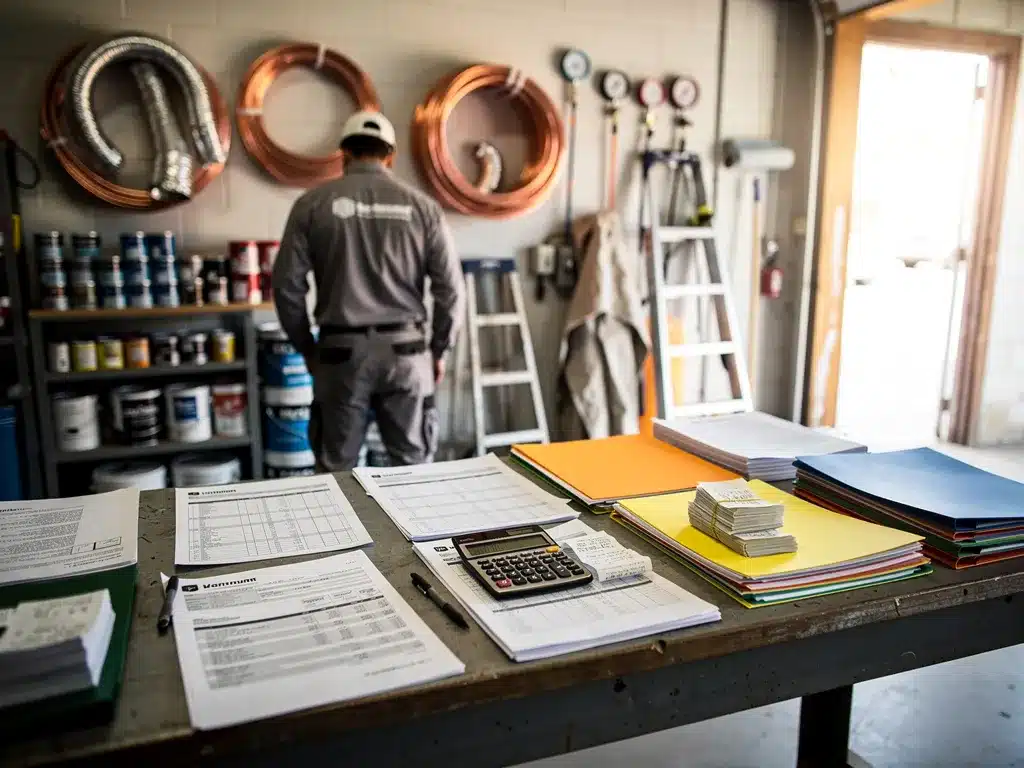
Catch-up bookkeeping is a critical investment for HVAC and painting contractors who want real financial clarity and operational control. By clearing accumulated transaction backlogs and reconciling accounts, trade business owners gain the organized financial insight they need to make informed decisions. Digital Stage Bookkeeping’s specialized expertise in service-based trades, combined with hands-on engagement and decades of financial experience, helps contractors put bookkeeping stress behind them and redirect their focus toward the work that actually grows the business.